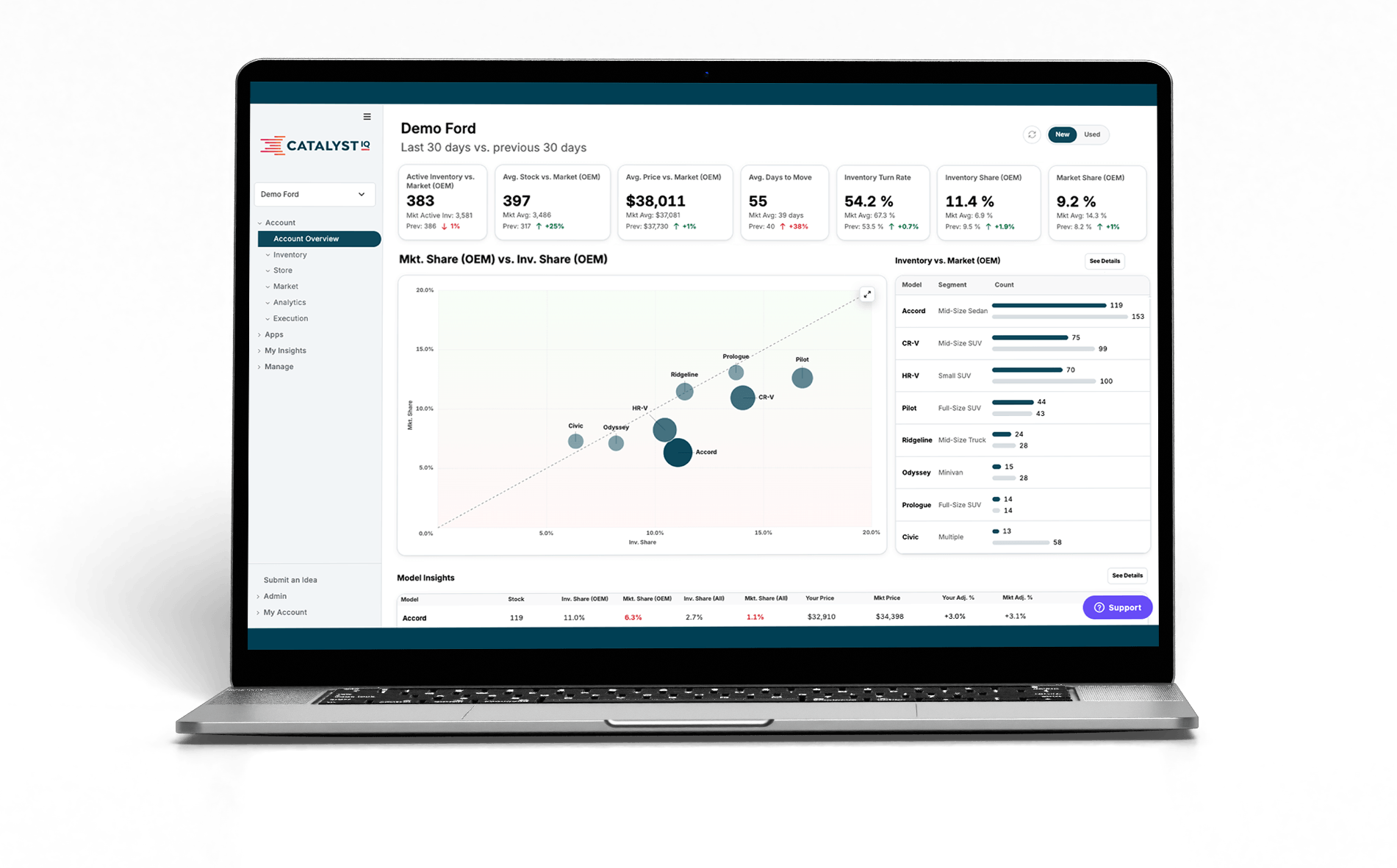
The AI-Driven Market Intelligence Platform to Optimize Advertising and Move Inventory Faster
-
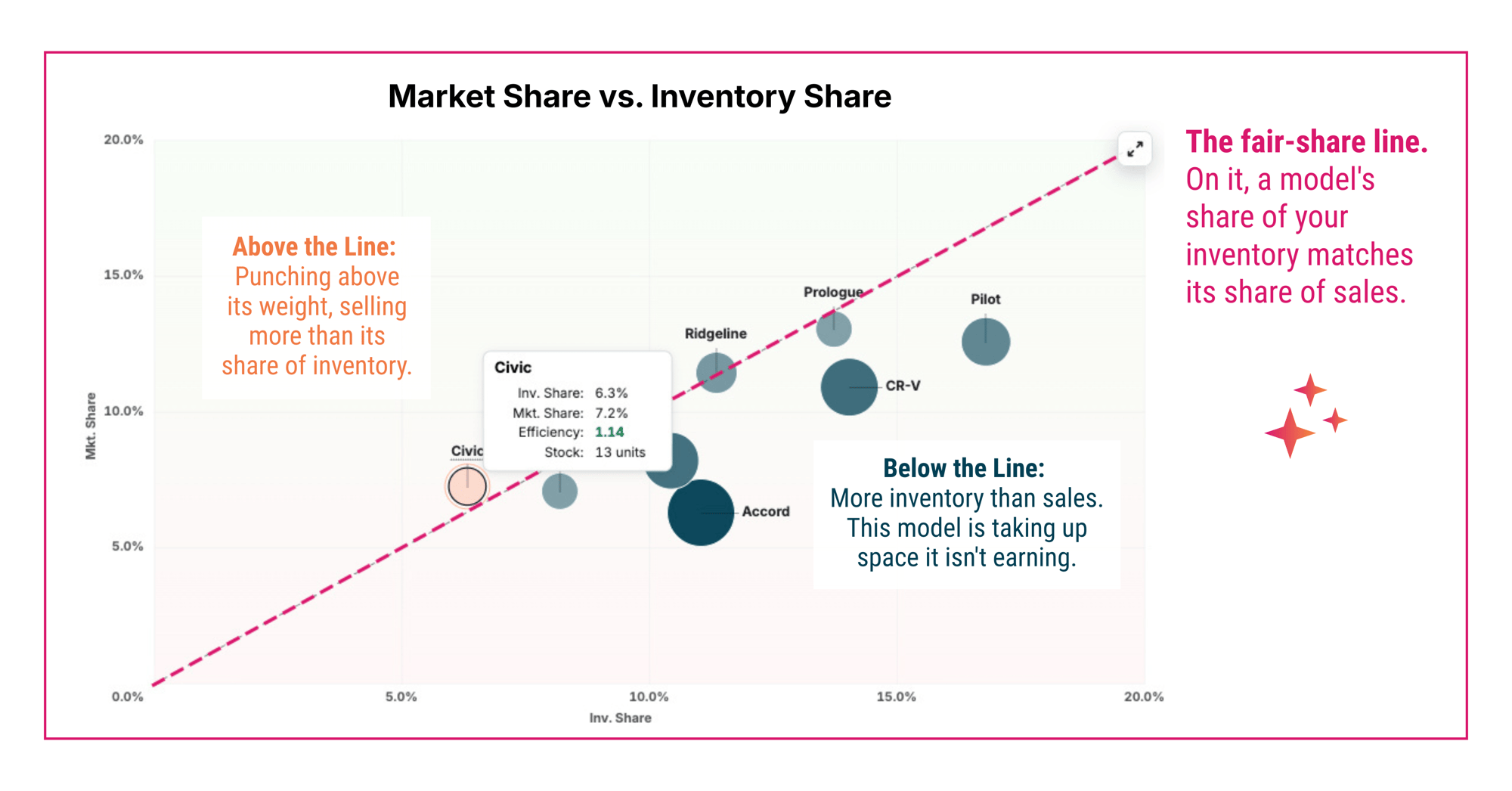
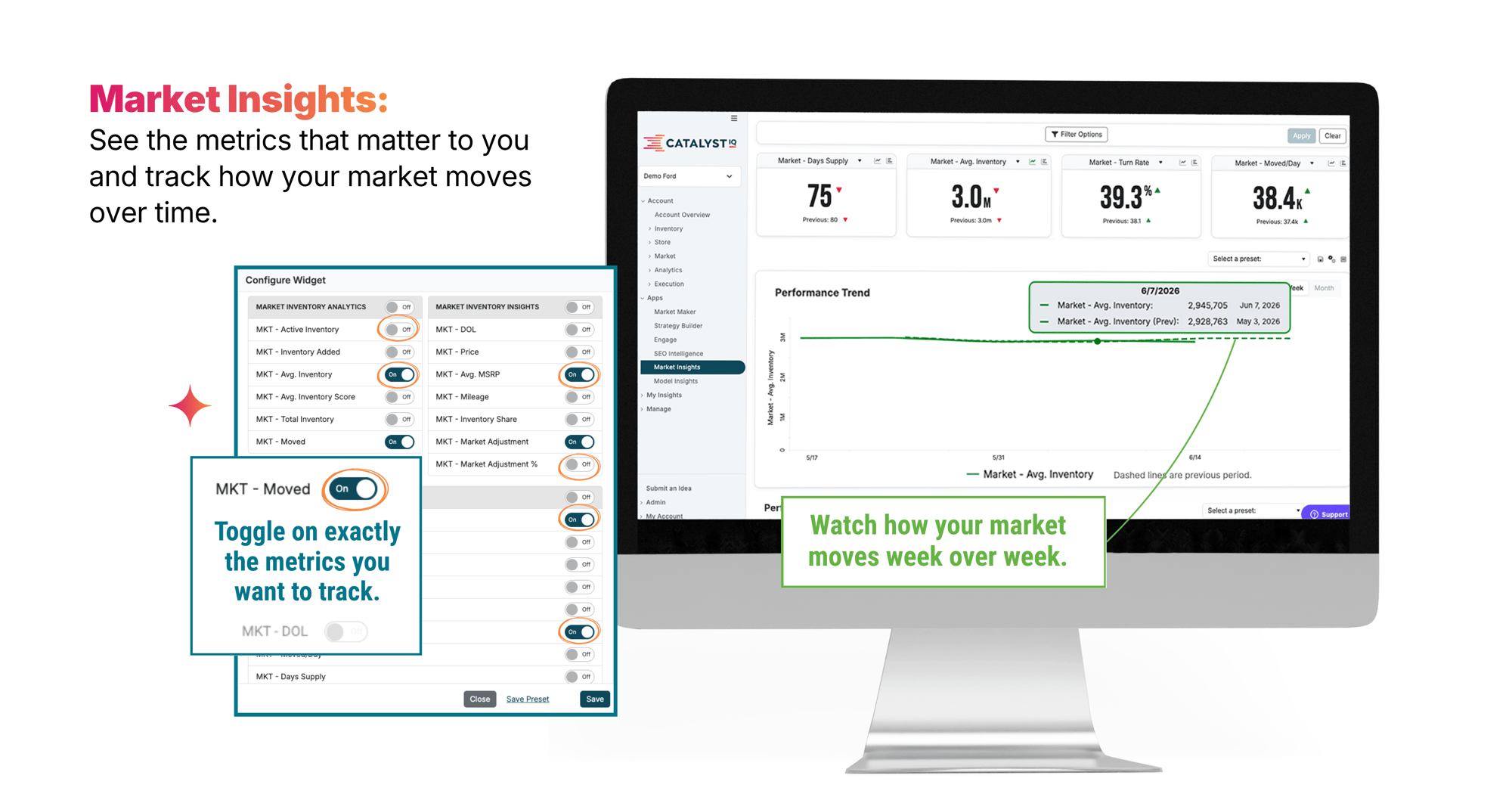
Insights on how your market is shifting right now
-
Prioritizes the inventory that need attention
-
Faster campaign optimization with up-to-date data
Why is current market intelligence data critical to ad performance?
The most effective advertising decisions depend on real-time inventory supply, competitive pricing, and local demand intelligence.
Marketing performance, vehicle pricing decisions, and inventory strategy are inseparable.
Dealers using current market intelligence respond faster to supply and demand shifts, adjust ad focus earlier, and stay competitive as local market conditions change.
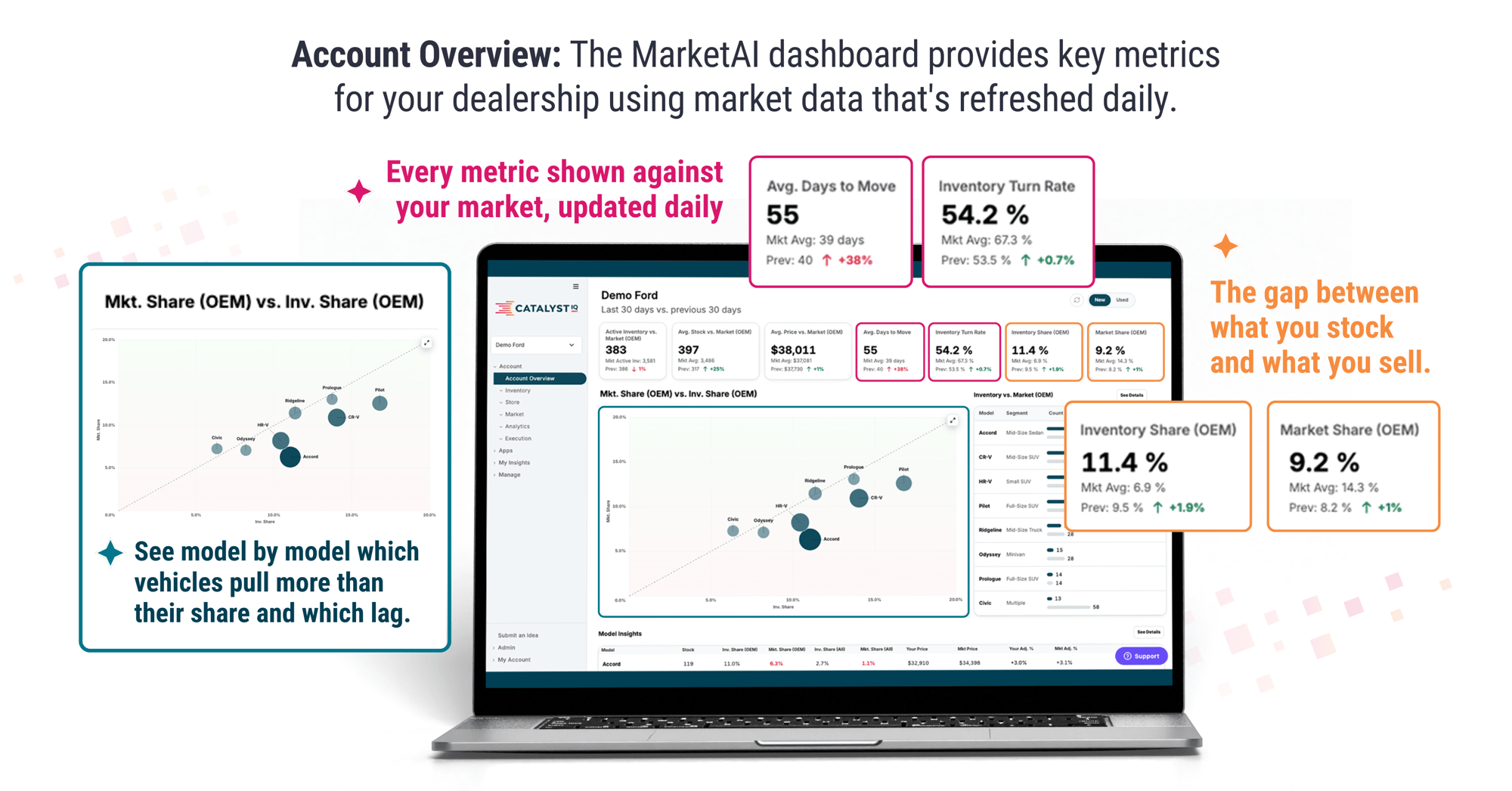
How does our real-time analytics platform, MarketAI, use supply and demand data to optimize VIN-level advertising?
Our platform continuously monitors supply, pricing, and demand data and applies that context to vehicle‑by‑vehicle advertising decisions.
By collecting market, model, and VIN level data for over 10 years, MarketAI helps dealers gain visibility into which vehicles are gaining traction so advertising dollars are focused where they can have the most impact.
VIN-level inventory prioritization is the foundation of effective dealer advertising
By evaluating inventory at the VIN level:
- Dealers can move beyond broad make‑ and model‑based assumptions.
- Pricing, advertising, and merchandising decisions reflect actual market comparables.
- Vehicle‑level prioritization helps determine which units need intervention and which do not.
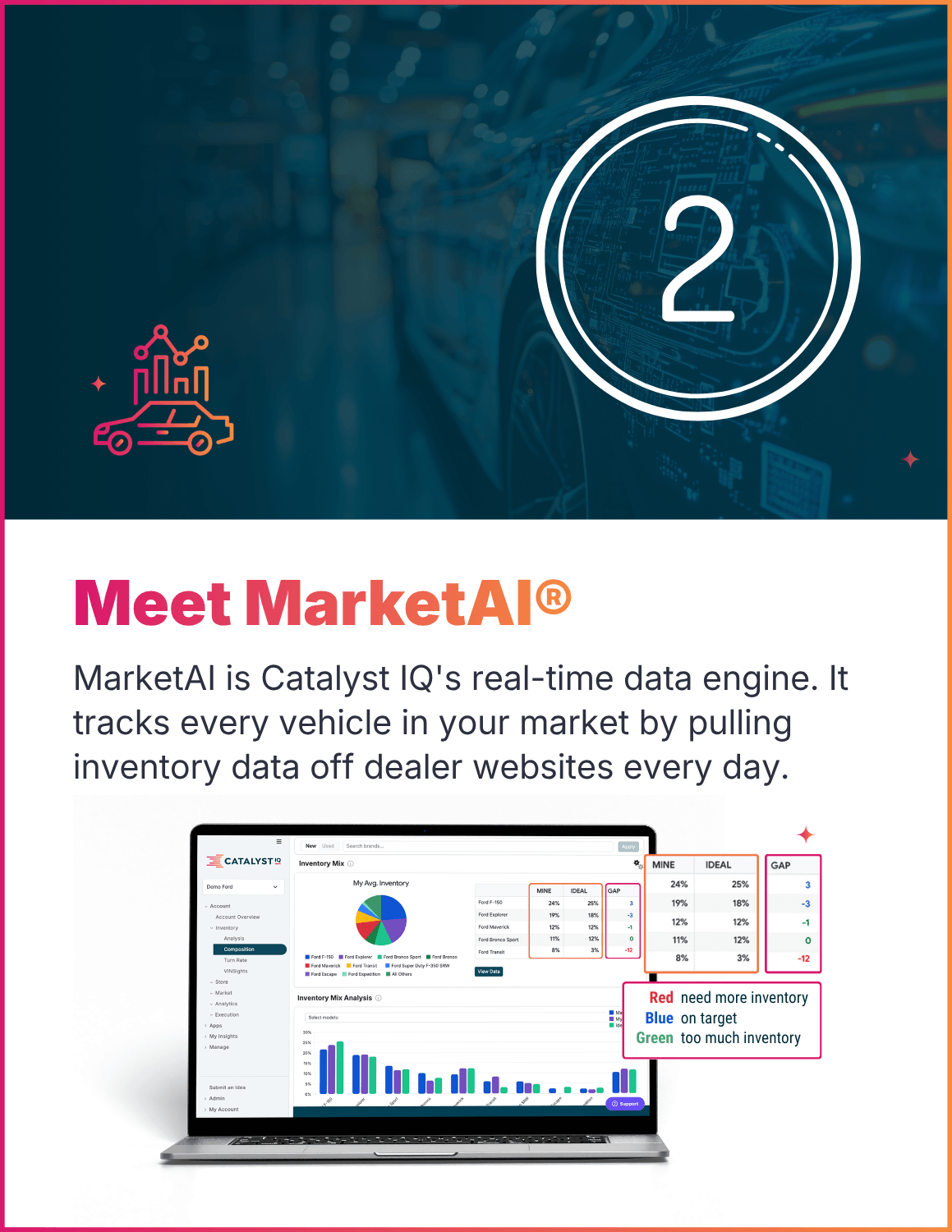
MarketAI combines market activity, competitive context, and inventory metrics into clear scoring (VINScore) that dealers can act on with confidence.
What is a VINScore?
VINScore is a predictive score that shows how likely each vehicle is to sell based on real-time market data. Dealers can quickly spot which cars need extra support and which are already positioned to move.
Stay Competitive in Your Market with Critical Insights
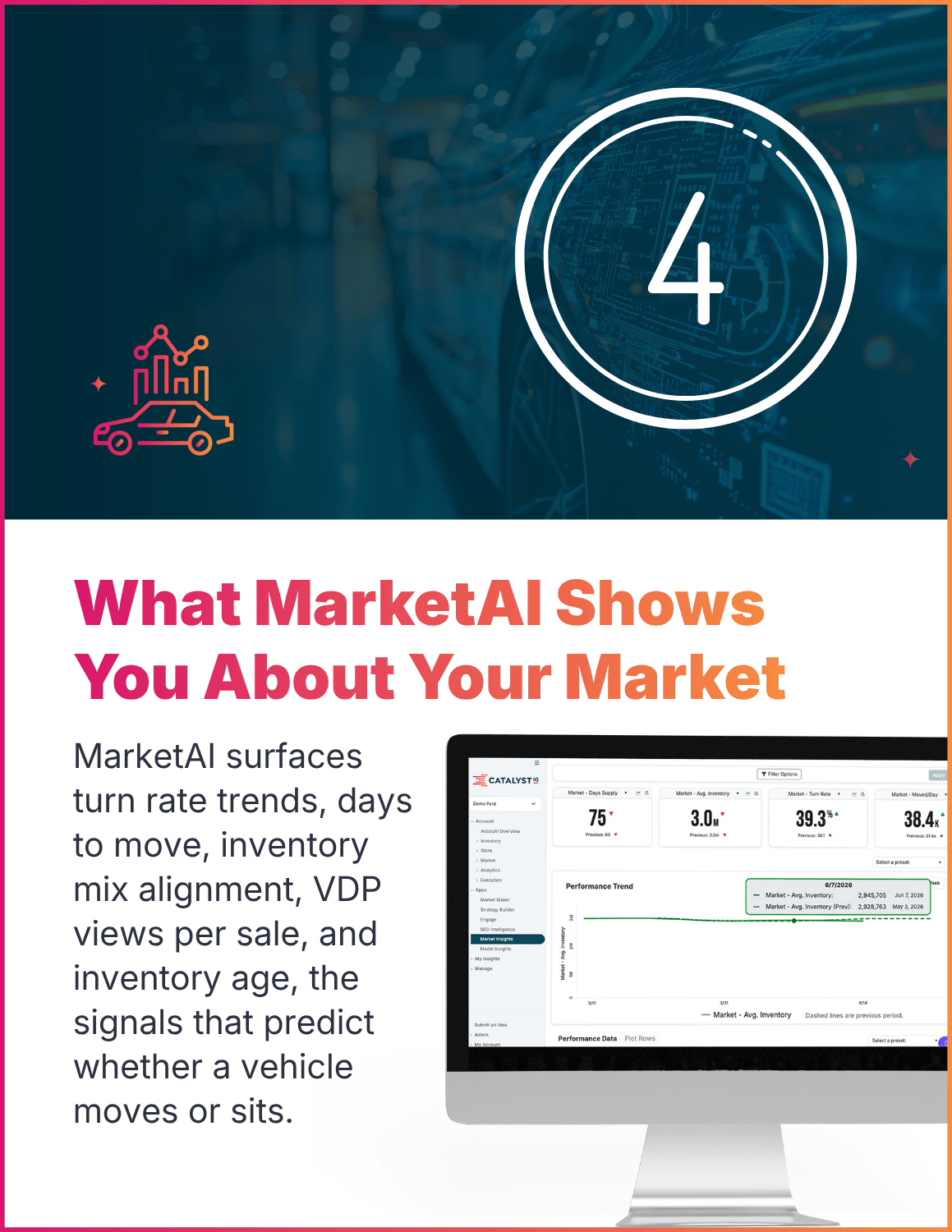
MarketAI tracks critical data points to help dealers outperform their markets. When inventory, pricing, and advertising are aligned, you can act faster and drive better results.
1. Real‑time inventory availability and supply trends
2. Shopper demand signals at the market, model, and VIN level
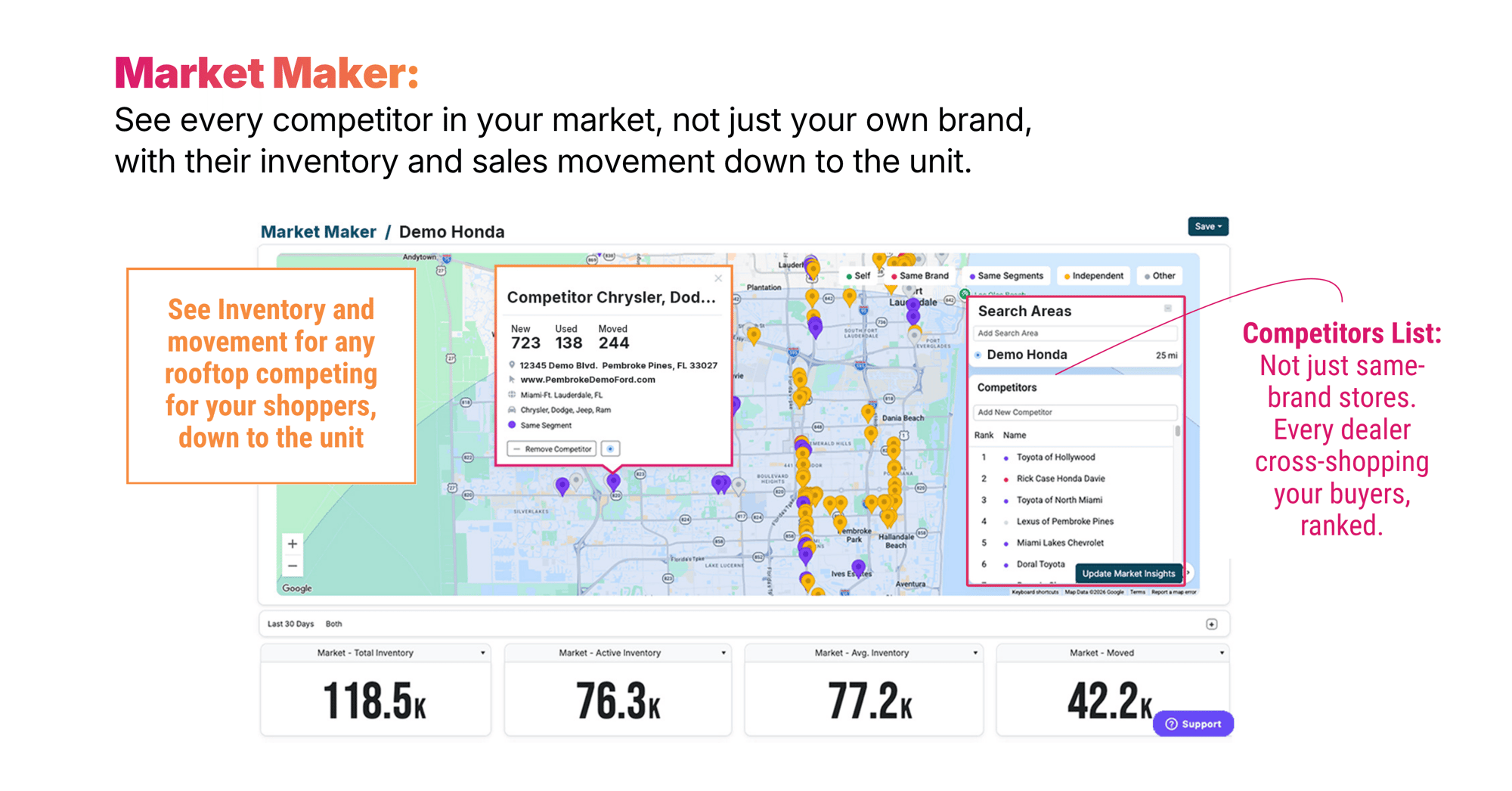
3. Competitive pricing movement across local and regional markets
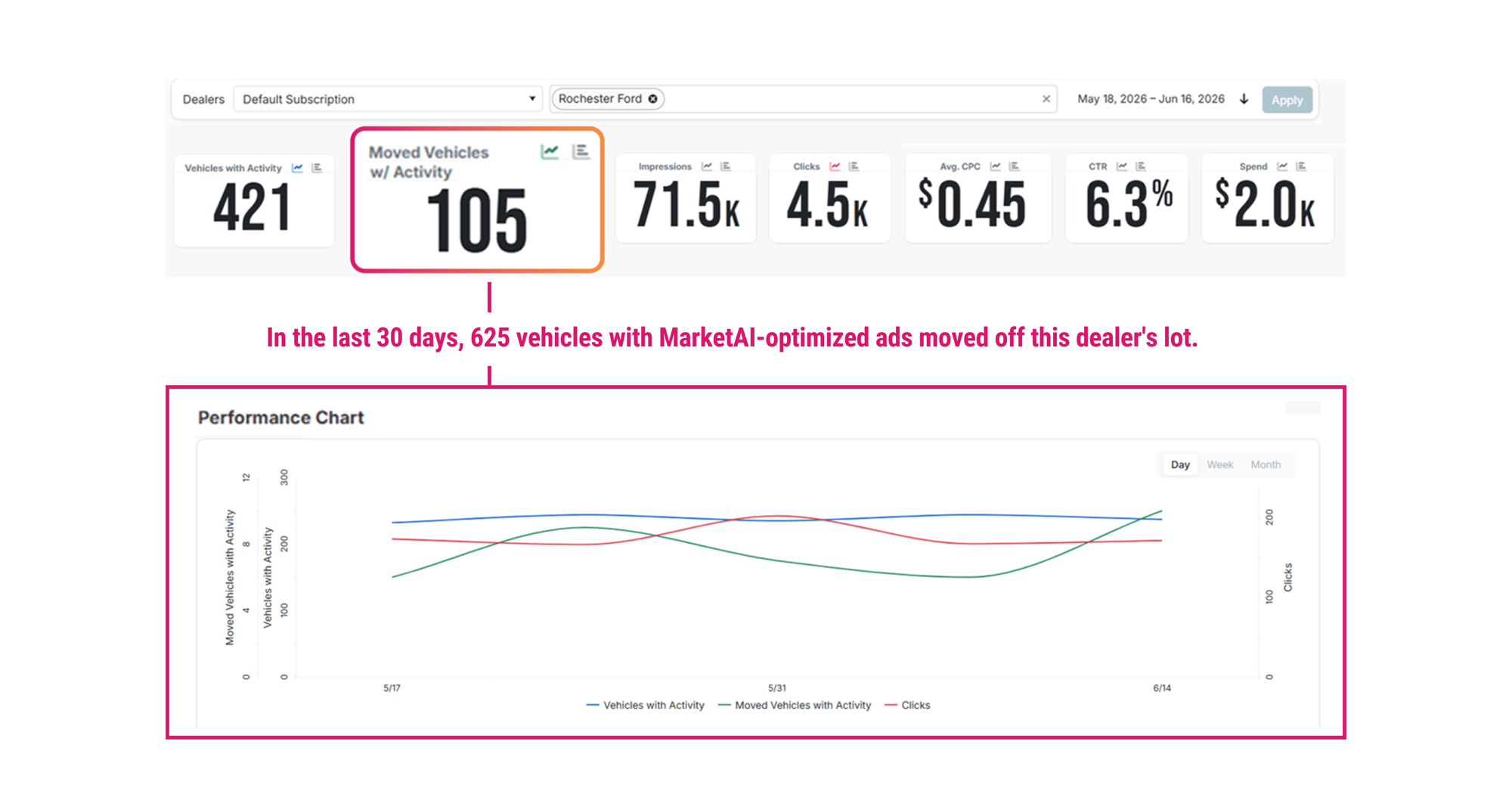
4. Ad performance and engagement tied directly to inventory
5. Retail velocity and market responsiveness
MarketAI Data Helps Genesis of Charlotte Achieve #1 in District Sales & 135% Faster Inventory
Genesis of Charlotte needed to modernize its marketing and move vehicles faster in a highly competitive environment. Inventory and pricing dynamics were impacting ROI, and the dealership was looking for a way to improve efficiency and visibility.
Our team used MarketAI data insights to identify which vehicles needed support, increased visibility for high-priority inventory, and accelerated sales velocity.
Results:
- • +135% increase in inventory turn rate
- • +52.5% increase in vehicles moved
- • –74.7% decrease in average days on lot
- • #1 volume dealer in the U.S. in August 2025
Frequently Asked Questions
-
What signals do automotive dealership software platforms use to score and prioritize vehicles?
Automotive dealership software platforms rely on a combination of market activity, inventory performance, and competitive context to understand which vehicles need attention. Common signals include how long a vehicle has been on the lot, how similar vehicles are priced and moving in the local market, shifts in supply and demand, and how shoppers are engaging with that inventory online.
-
How do automotive retail analytics platforms connect market data to advertising decisions?
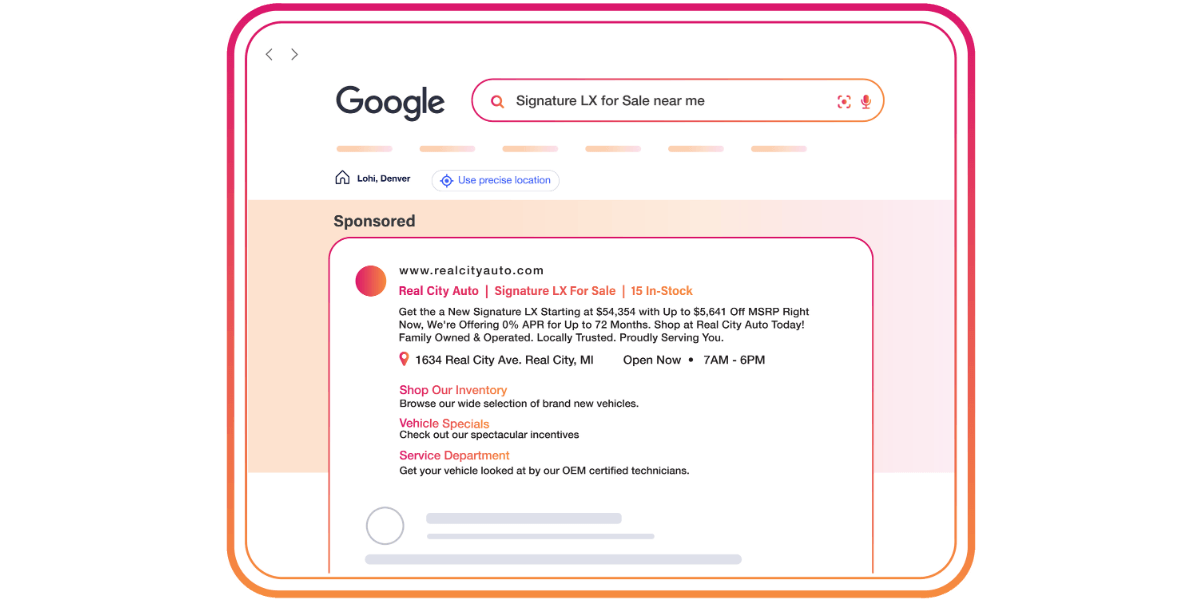
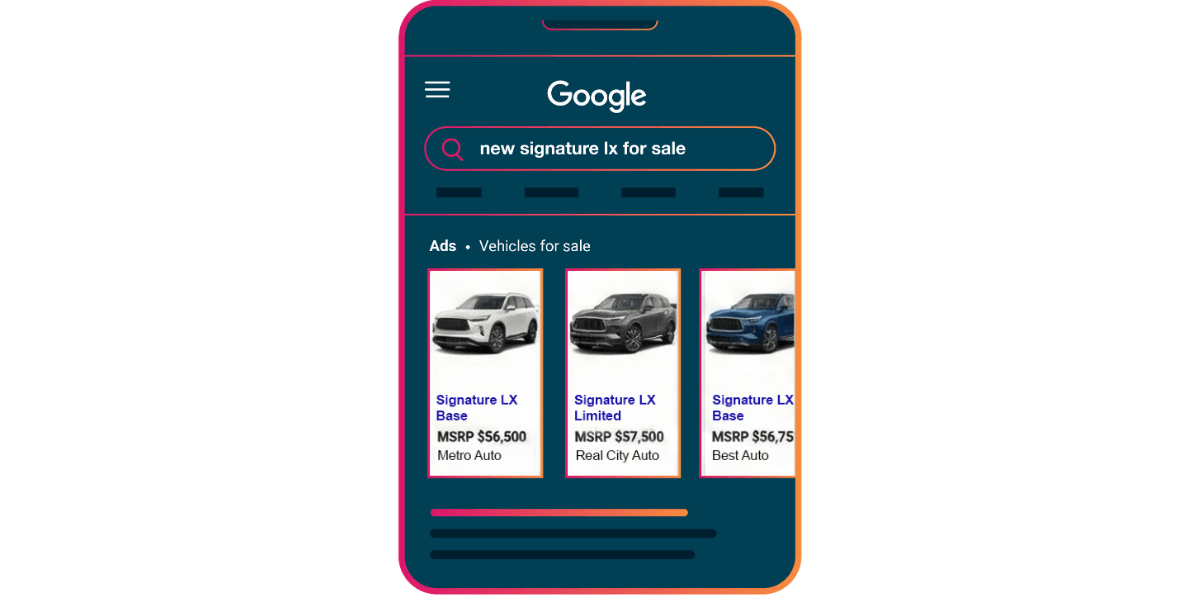
Automotive retail analytics platforms connect market data to digital advertising decisions for dealerships by tying inventory context directly to campaign focus. Instead of promoting every vehicle equally, these platforms help dealers decide which cars deserve advertising support based on real‑time market conditions, competitive pressure, and inventory performance.
-
How does real-time data support better vehicle pricing decisions?
Real-time data supports better vehicle pricing decisions by reflecting current market conditions rather than historical averages. As pricing, supply, and shopper demand shift, real time automotive market demand analysis help dealers understand when a vehicle is priced competitively, when it may need adjustment, and when it’s better to hold position.
-
How do AI-driven market intelligence platforms help United States dealerships compete locally?
AI‑driven market intelligence platforms help United States dealerships compete locally by analyzing market conditions at a regional and local level, not just nationally. These platforms account for local supply, dealer competition, and consumer behavior, so decisions are grounded in the realities of each market. By continuously interpreting large volumes of market data, AI-driven tools surface patterns and priorities that would be difficult to identify manually, helping dealers respond faster and stay competitive as local conditions evolve.
Read More: Digital Marketing for Car Dealerships →
-
How does inventory optimization impact overall dealership performance?
Inventory optimization impacts overall dealership performance by improving inventory turn, pricing discipline, and marketing efficiency. When dealers focus attention on the vehicles that need it most, they avoid tying up capital in aging inventory and reduce wasted advertising spend. Optimized inventory decisions also create a more consistent shopper experience, support stronger margins over time, and make it easier for teams to align pricing, marketing, and operational strategies around shared data.

See How Your Market Data Translates into Smarter Decisions
MarketAI brings together real time supply, demand, pricing, and competitive context into one view so your team can see exactly where opportunities exist across your lot. Schedule a demo to see your market through MarketAI.