
 Dillon Nagey, Director of Digital Advertising
How Should Auto Dealers Adjust Inventory and Pricing in Q4 2026?
Buyers kept buying in Q3, but new vehicle prices hit a record $52,770 and the average loan stretched to 69.5 months. See where demand is moving,...
When a shopper searches for a specific vehicle, they're already telling you what they want. Google Vehicle Ads put dealership inventory in front of those shoppers with details such as vehicle images, pricing, make, model, and dealer information.
But getting inventory in front of shoppers is only part of the opportunity.
For dealerships, the bigger challenge is making sure advertising keeps pace with what is happening on the lot. The vehicles that need advertising support today may not be the same vehicles that need it next month.
Here are five Google Vehicle Ads best practices dealerships can use to make their advertising strategy more responsive to their inventory and market.
Accurate inventory is the foundation of effective Vehicle Ads. When inventory information changes, shoppers should see current vehicle availability, pricing, and details.
Real-time inventory integration helps ads stay aligned with what is available on the lot. When a vehicle sells, the advertising strategy should reflect that change. When new inventory arrives, those vehicles can become eligible for promotion.
This creates a more relevant shopping experience while helping dealerships avoid spending ad budget on inventory that is no longer available.
Best practice: Keep vehicle data accurate and connected to your advertising strategy in real time.
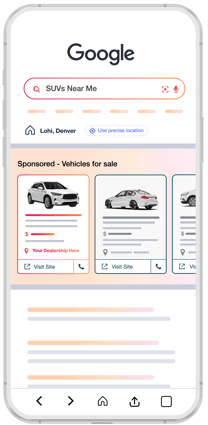
Google Vehicle Ads are designed to put specific dealership inventory in front of shoppers when their searches indicate vehicle-shopping intent.
Instead of asking a shopper to navigate through a dealership website and find a vehicle on their own, Vehicle Ads can take them directly to the Vehicle Detail Page for the inventory they're interested in.
That can lead to stronger Vehicle Detail Page engagement because the shopper is starting with a specific vehicle rather than a general dealership message.
Catalyst IQ's Google Vehicle Ads solution connects live inventory with shoppers searching for vehicles and sends that traffic directly to vehicle detail pages.
Best practice: Make the path from search to vehicle as direct as possible.
One of the biggest mistakes dealerships can make is treating advertising performance as static.
A campaign can perform well while the inventory and market conditions behind it are changing.
That means Google Vehicle Ads optimization should consider more than clicks and conversions. Dealerships should also look at what is happening with the inventory those advertising dollars are supporting.
Real-time inventory intelligence can help provide that context.
Catalyst IQ's existing Google Vehicle Ads strategy uses real-time inventory intelligence and VIN-level scoring to help identify which vehicles need additional advertising support. VINScore evaluates individual vehicles using factors such as pricing competitiveness, vehicle age, and how comparable inventory is moving in the local market.
Best practice: Optimize around what needs to sell next, not simply what performed well in the past.
.png?width=533&height=533&name=CIQ%20VINScore%20(1).png)
Clicks and impressions are useful indicators of advertising engagement, but they don't tell the entire story of how your advertising is actually performing.
Dealers should connect Google Vehicle Ads campaign performance to your desired inventory and business outcomes.
Useful metrics include:
Looking at these inventory performance metrics together provides a clearer picture of whether advertising is helping move inventory.
Best practice: Measure advertising performance alongside inventory performance.
Real-time data gives dealerships a way to adjust advertising decisions as market conditions change.
Instead of assuming every VIN has the same opportunity, dealers can evaluate inventory based on current conditions such as supply, demand, pricing, vehicle age, and competitive movement.
That's where MarketAI® can add another layer of intelligence to Google Vehicle Ads.
MarketAI connects real-time inventory and market data to help dealerships understand what is happening with their vehicles and where advertising support may have the greatest opportunity.
Request a MarketAI demo to see which inventory is moving fastest in your market and where additional advertising support may help.
Catalyst IQ combines Google Vehicle Ads with real-time inventory and market intelligence to help dealerships make smarter advertising decisions.
By connecting advertising strategy to what is happening with inventory and in the market, dealerships can make their Google Vehicle Ads more responsive to the vehicles that need support.
Schedule a demo to see how Catalyst IQ applies these best practices to help dealers optimize Google Vehicle Ads and make more informed advertising decisions
Google Vehicle Ads are inventory-based search ads that showcase individual dealership vehicles at the top of SERPs to shoppers searching on Google. They can display information such as a vehicle's image, price, make, model, and dealership details. For dealerships, this creates a direct connection between live inventory and high-intent shoppers when they're searching.
Google Vehicle Ads connects dealership inventory with high-intent shoppers based on signals such as search intent and geography. The ads can send shoppers directly to relevant vehicle detail pages.
Dealerships can optimize Google Vehicle Ads by keeping inventory data current, monitoring campaign and inventory performance, and using real-time market intelligence to understand which vehicles may need additional advertising support.
No. Google Vehicle Ads are not managed like traditional keyword-based search campaigns. They use shopper intent, geography, and automated bidding signals to determine when relevant vehicle listings should appear.
Dealerships can control the inventory included in their feed and can focus on portions of their inventory, while Google's systems determine when a listing is relevant to a shopper.
MarketAI® combines real-time inventory and market data with vehicle-level intelligence to help dealerships identify where advertising support may have the greatest opportunity. Catalyst IQ's VINScore evaluates individual vehicles based on current market conditions and helps guide advertising prioritization.

About Catalyst IQ
Catalyst IQ is an integrated automotive marketing agency that helps dealerships make smarter decisions and sell more cars using real-time data, AI-powered insights, and expert human support. From digital advertising and web presence to SEO/AEO and engagement, every solution drives measurable growth.

Buyers kept buying in Q3, but new vehicle prices hit a record $52,770 and the average loan stretched to 69.5 months. See where demand is moving,...

Long before they reach your lot, shoppers are seeing your inventory in ads and searching for answers online. This guide shows how digital...

Model Year Changeover season is here. And for dealers, waiting to support 2026s could come with a significant price tag. We are officially...